Dallas Museum of Art
Winning the competition for the Dallas Museum of Art expansion alongside Nieto Sobejano was one of those challenges that forced us to look at architecture from a different angle.
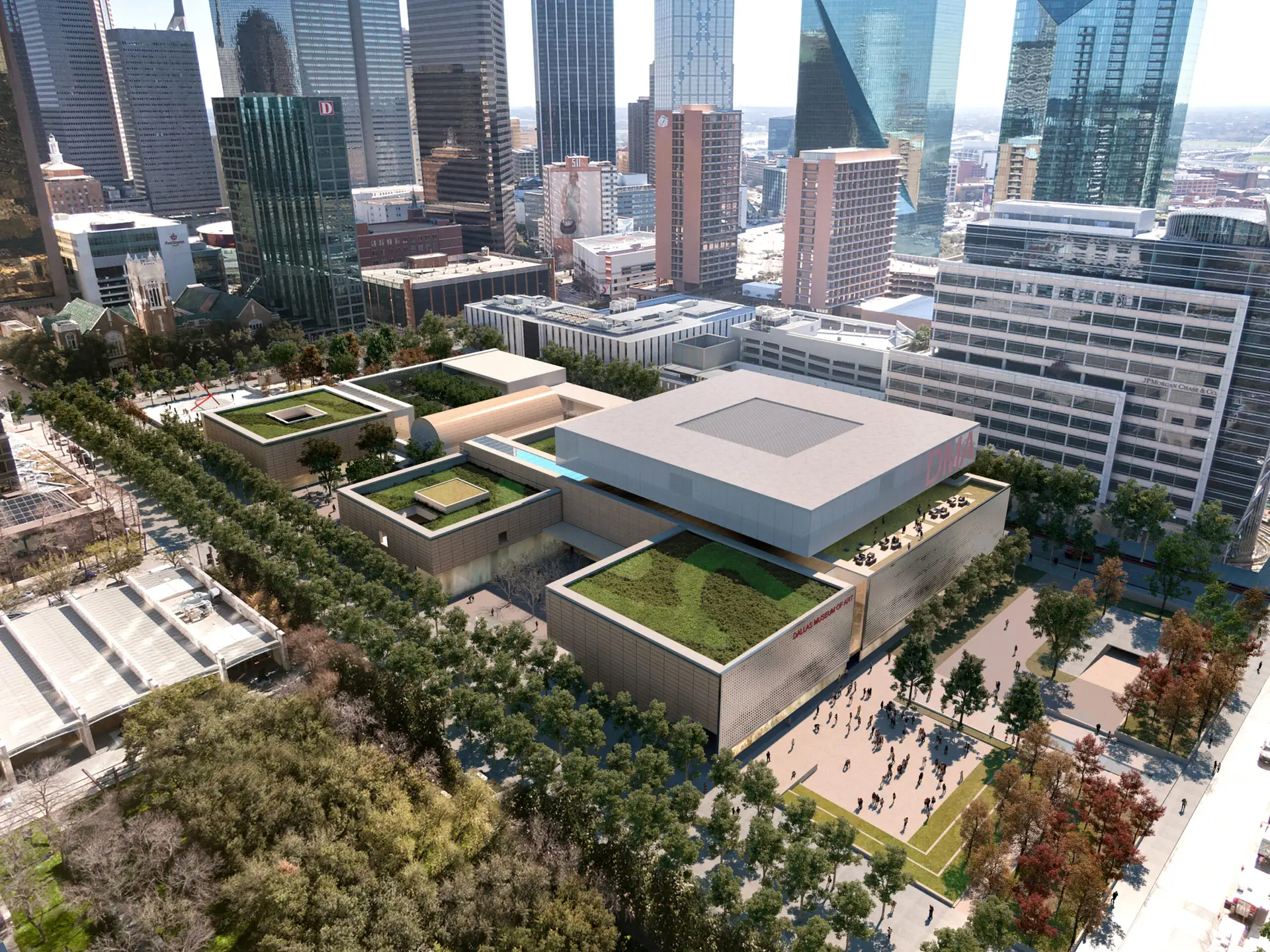
The original museum, designed by Edward Larrabee Barnes in the 80s, is a masterpiece of its time: solid, bold, and somewhat inward-looking. However, as the city evolved, the building became disconnected from the current urban pulse and the nearby Klyde Warren Park. It didn’t just need more room for its collection; it needed to “open up” and stop feeling like a granite fortress.
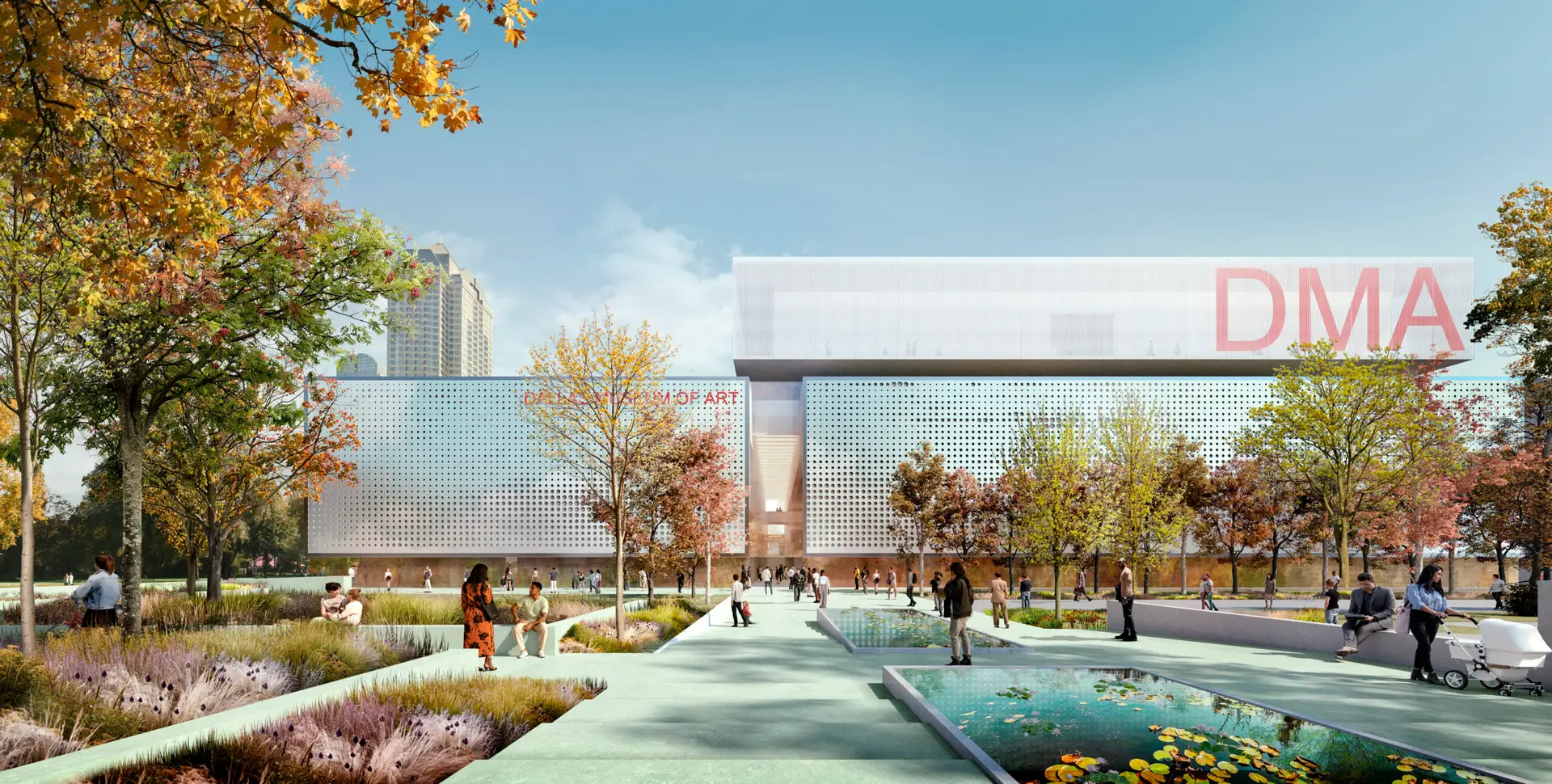
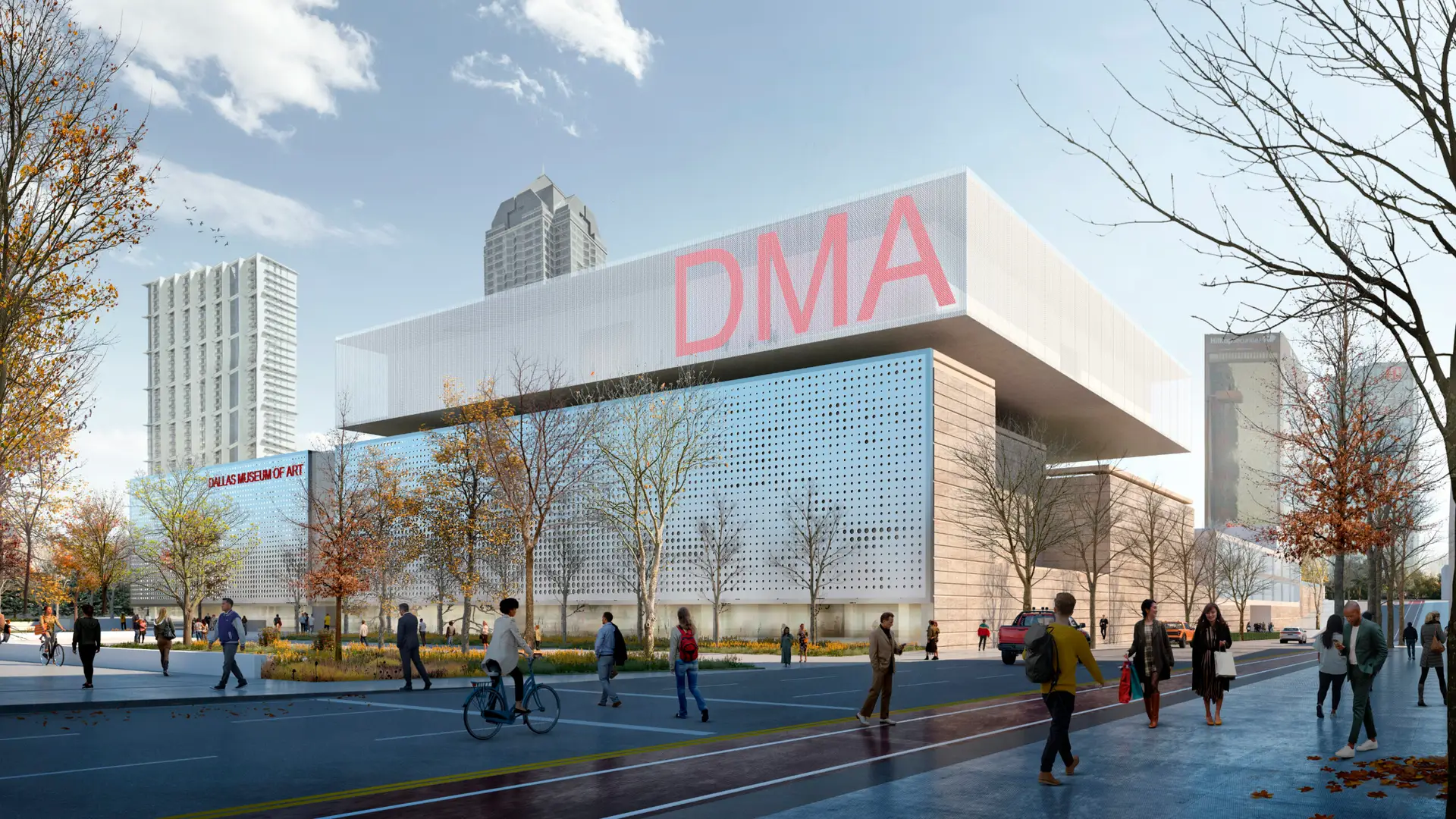
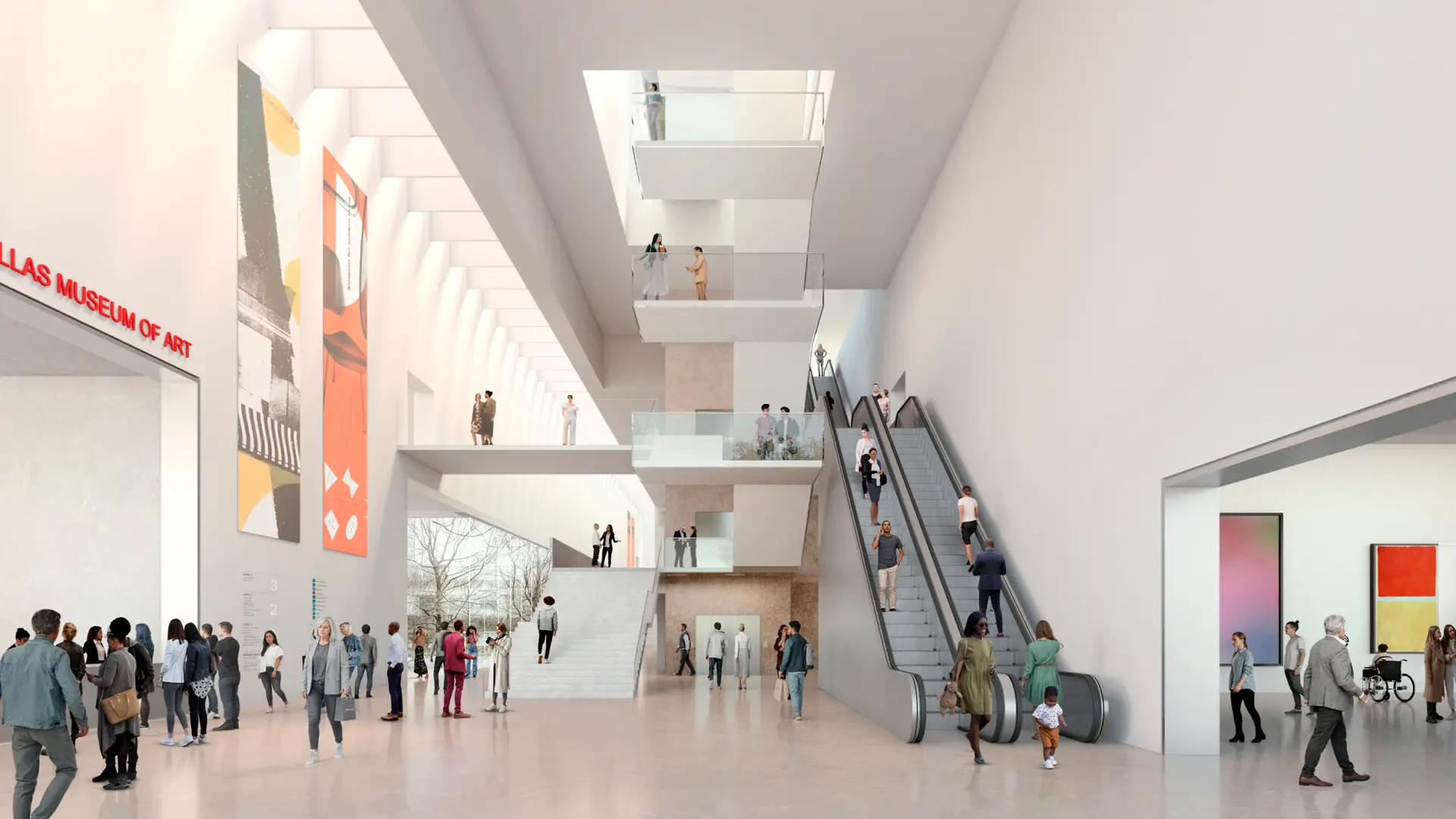
Nieto Sobejano’s winning design is incredibly smart. Instead of competing with the old building, they proposed light, transparent structures that seem to float above the original base. It’s an architectural move that prioritizes communication with the surroundings, transforming the museum into a much more permeable and urban space.
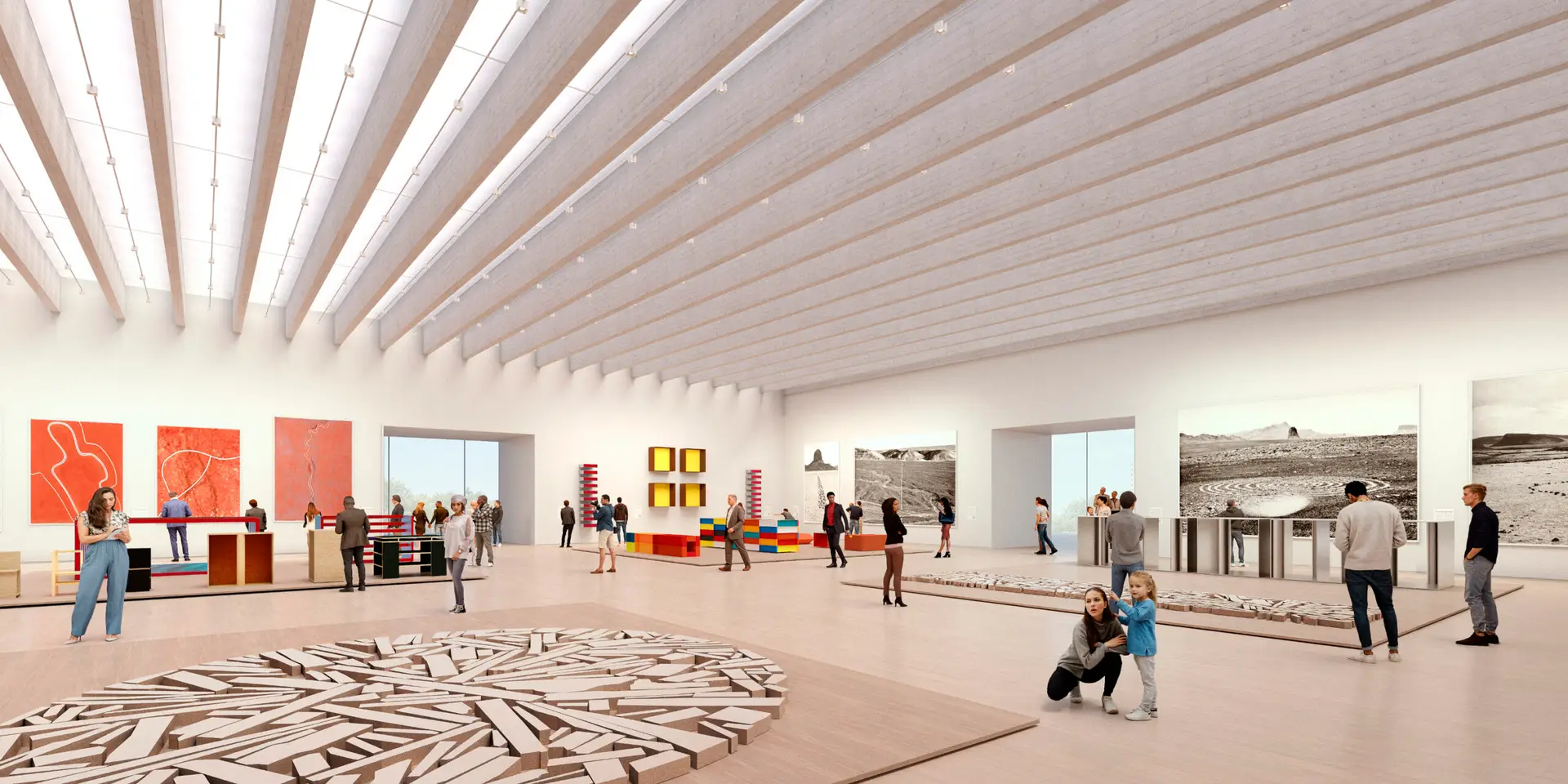
Our job was to capture that specific sense of transition. We stayed away from purely technical imagery to focus on the relationship between the heavy (the granite) and the light (the new design).
We focused on the Texas light and the reflections to help the jury not just see a building, but feel the atmosphere of the new museum at dusk or its visual connection to the park. Ultimately, we wanted to show that the DMA is no longer just a place to store art, but a place where the city actually happens.